
Agender people are often categorised under the trans or non-binary umbrellas – though many would object, on the grounds that they don’t identify with any gender at all.
An agender person can have any kind of gender expression. There’s no requirement to transition legally, physically, or socially in order to identify as agender.
They may use their “natal” pronouns, gender-neutral pronouns – or even do away with pronouns altogether. (Yes, it can be done. The grammar police will just have to cope.)
Agender identities challenge the whole notion of a sexuality or gender spectrum by stepping off it entirely. Some agender people are genderfluid. Some are not. Some are asexual. Some are not. The terms are distinct – and absolutely not interchangeable.
As a non-binary bunny myself, I’ve noticed how some aspects of agender experience resonate with me. I’ve gradually come to feel that gender is the biggest cock-and-ball story out there – an elaborate system seemingly designed to control, imprison, and restrict self-expression and self-realisation. Or, to put it more politely: gender is a social construct.
In this post, I’m looking at a few well-known people who have embraced the label agender and express a masculinity that sits comfortably outside the gender binary.
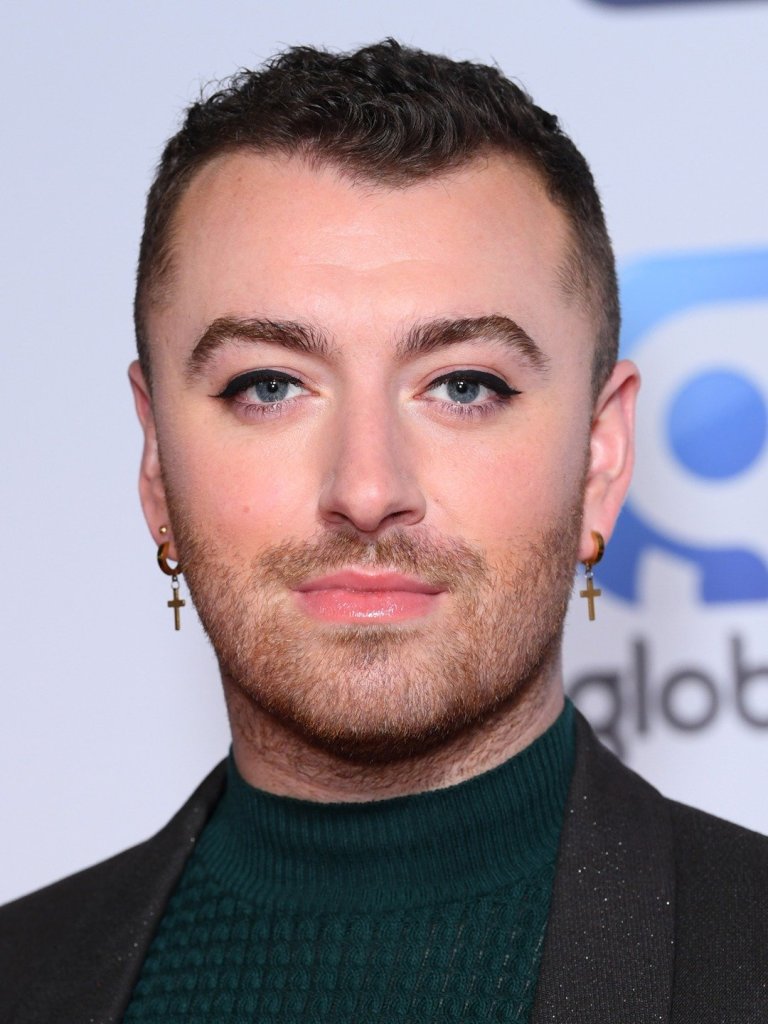
Sam Smith
Once seen as the quintessential soulful gay crooner, Sam Smith’s coming out as nonbinary and agender disrupted expectations – including their own. They’ve leaned into masculine looks, but also into softness, sensuality, and sparkle. Their masculinity is vulnerable, unguarded, and laced with heartbreak. Sam reminds us that masculinity doesn’t require hardness – it can be worn with gloss, sung with ache, and lived in fluid motion.
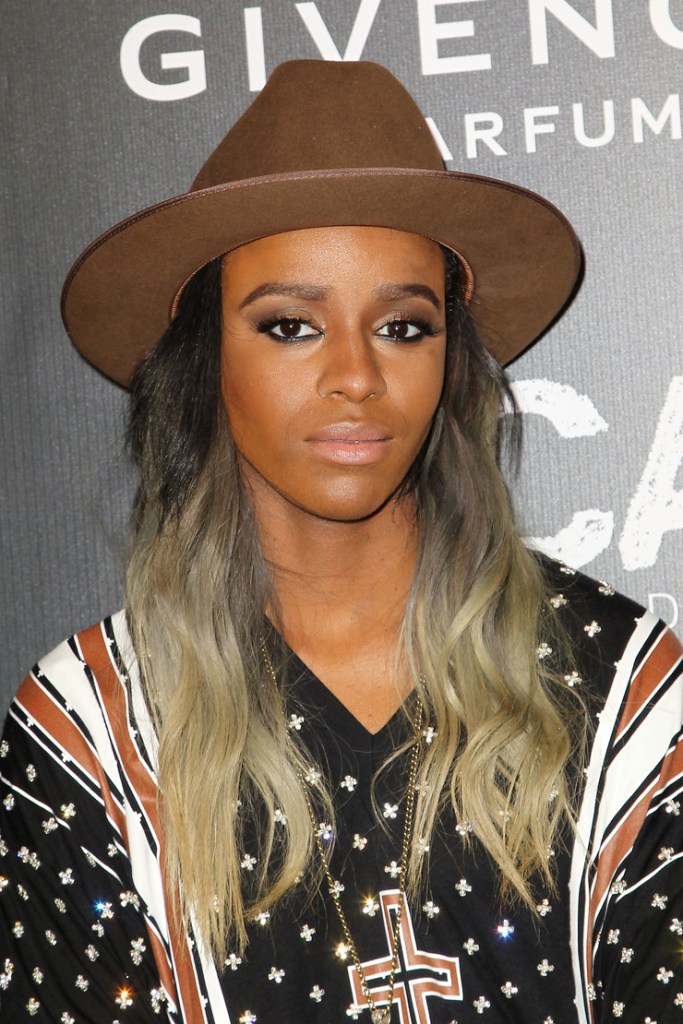
Angel Haze
A poet, a rapper, a storm of uncontainable feeling – Angel Haze refuses to be simplified. They’ve described themselves as agender, pansexual, and uncompromising. Their masculinity isn’t soft – it’s raw, righteous, and rooted in survival. Onstage, they spit truths with the energy of a prophet and the fury of a punk. They are what masculinity looks like when it’s been burned down and rebuilt without apology
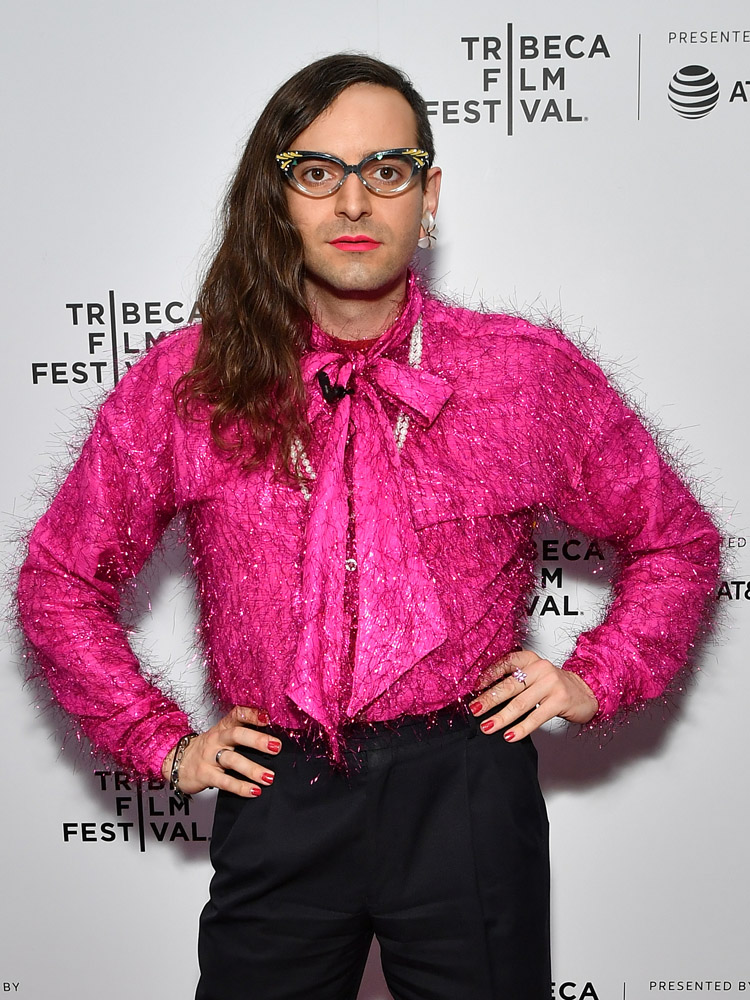
Jacob Tobia
Jacob Tobia is here to ruin your binary and do it with a lipstick-smudged grin. They identify as agender, and their presentation often leans femme – but underneath the pearls and pastels, there’s a razor-sharp masc edge. Tobia’s writing, activism, and swagger are rooted in the refusal to let gender limit who they are. Their masculinity is intellectual, mischievous, and political – the kind that raises a perfectly plucked eyebrow and then tears down the patriarchy.
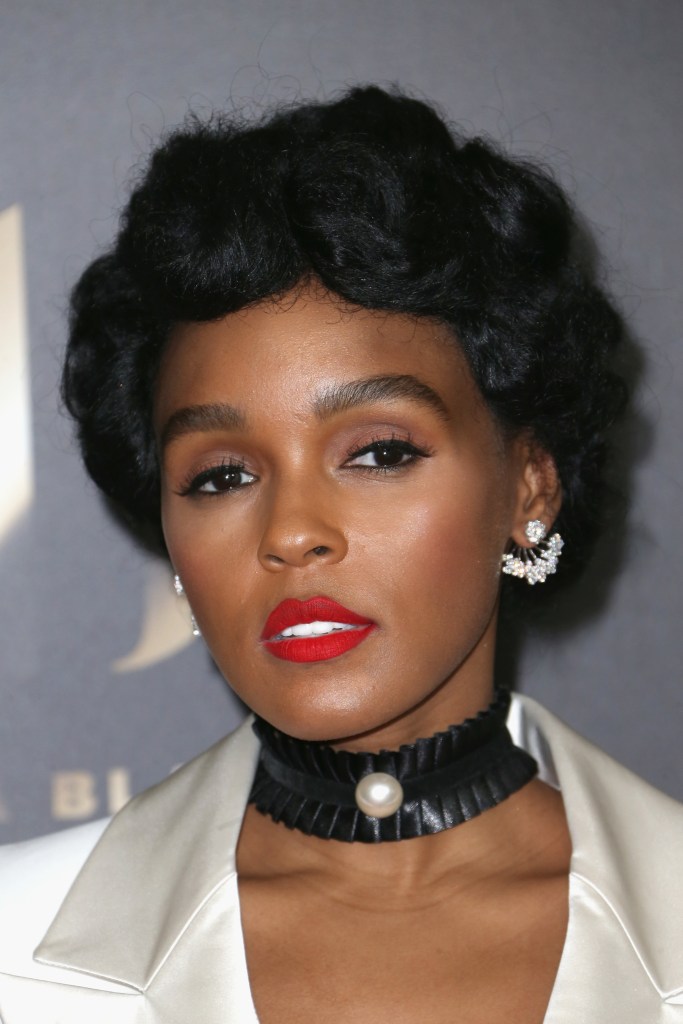
Janelle Monáe
In tuxedos and top hats, Janelle Monáe strutted onto the scene as an androgynous android from the future – and we’ve been catching up ever since. They’ve described themselves as nonbinary and, at times, agender, floating somewhere between femme, masc, and otherworldly. Monáe’s masculine presentation is electric, theatrical, and always intentional. Whether crooning in a suit or leading a revolution in heels, they remind us that masculinity, too, can be style, spirit, and song.
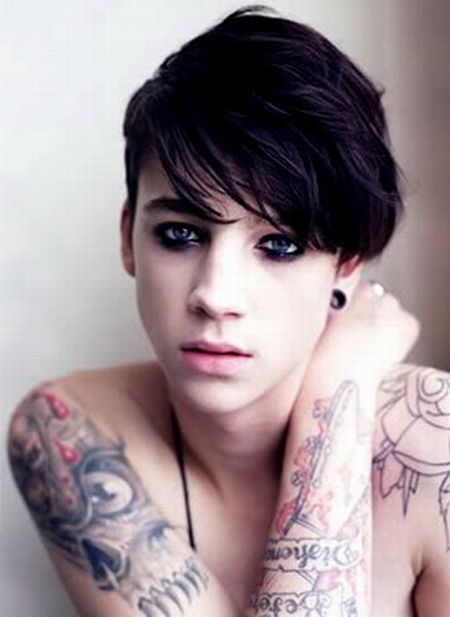
Ash Stymest
Tattooed, punky, and hauntingly beautiful, Ash Stymest is a British model who’s dipped in and out of agender identification. Their masculinity is ambiguous, angular, and deliberately undone – a kind of half-worn leather jacket version of manhood. On the runway or in front of the mic, Ash blends cocky swagger with gender-blurred aesthetic. They’re proof that you don’t have to pick a side to walk like you own the place.
Why it matters
Agender masculinity messes with the script – and thank goodness. It reminds us that masculinity isn’t a club you’re born into or a role you’re assigned; it’s a shape you can choose, remake, or opt out of entirely.
For centuries, masculinity has been weighed down by expectation – be tough, be straight, be dominant, be emotionless. But agender men and masc-aligned people show us something radical: that masculinity can be stripped of its historical baggage and rebuilt in ways that are tender, theatrical, punk, playful, intellectual, or quietly resilient.
These figures aren’t masc despite being agender – they’re masc because their genderlessness gives them room to define what masculinity means to them. Whether it’s in music, fashion, activism, or simply existing in public, they show that you can wear masculinity like a tailored suit or a torn T-shirt – or toss it over your shoulder and say, “It’s mine now. I’ll wear it my way.”
In a world still obsessed with categorising people as one thing or the other, agender masculinity is a third option – or maybe a whole different game entirely.

 Eunuchorn
Leave a comment