
As part of my blog series for Pride 2025, I’m exploring the ongoing process of coming out. The first two entries reflect on coming out as a gay man. The next part turns to coming out as nonbinary – and my journey into life as a eunuch.
Accepting that I don’t conform to the gender binary has been one of the hardest things I’ve ever faced. This process has upended everything. It hasn’t rewritten my past, but it has forced me to re-evaluate and reinterpret so much of it.
I started paying closer attention to other nonbinary people – the many ways they express themselves, and the subtle shades of meaning in terms like nonbinary, agender (which will get its own post in this series), demiboy/guy, and demigirl.
This series focuses on the masculine shades of meaning – but who knows? Maybe next year I’ll flip the whole thing and dive into the Rainbow Pantheon of Femininity.
Nonbinary icons
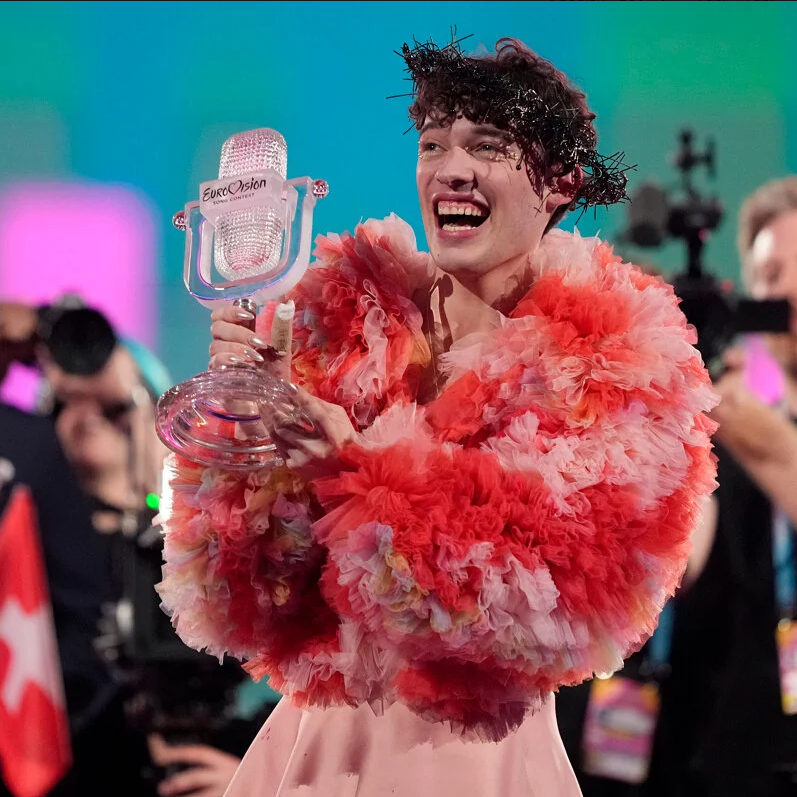
Nemo
In 2024, Swiss artist Nemo became the first openly non-binary winner of Eurovision, dazzling Europe with opera-pop vocals and unapologetic queerness. Their win was more than musical—it was political, poetic, and profoundly visible. With poise, glitter, and a spinning platform, Nemo showed that non-binary masculinity can be fierce, elegant, and proudly centre stage.
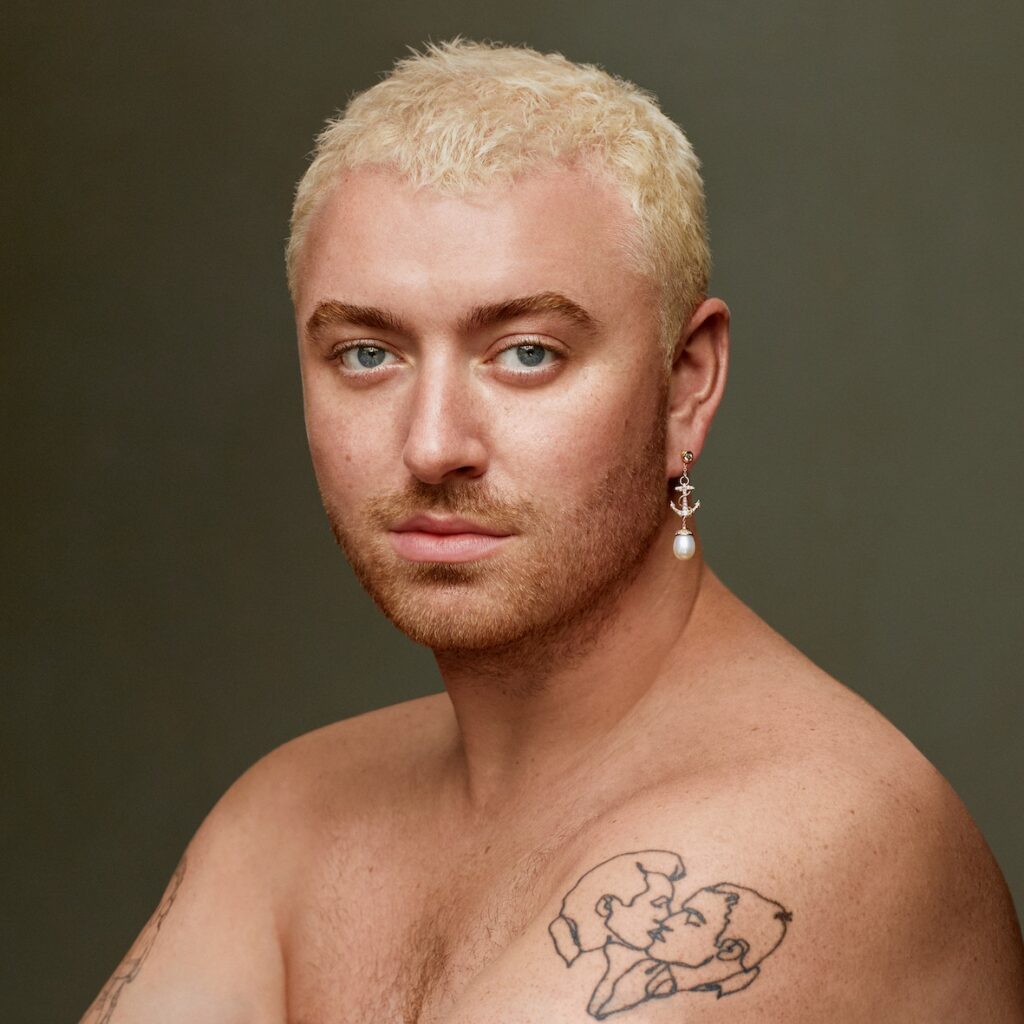
Sam Smith
Sam Smith has taken the pop spotlight and turned it into a prism. After coming out as non-binary in 2019, their relationship with masculinity evolved — no longer constrained by performance, but expressed in shifting styles, confidence, and vulnerability. Whether in a billowing blouse or a bare-chested ballad, Sam’s masculinity is magnetic: sultry, gentle, unapologetic, and wholly theirs.
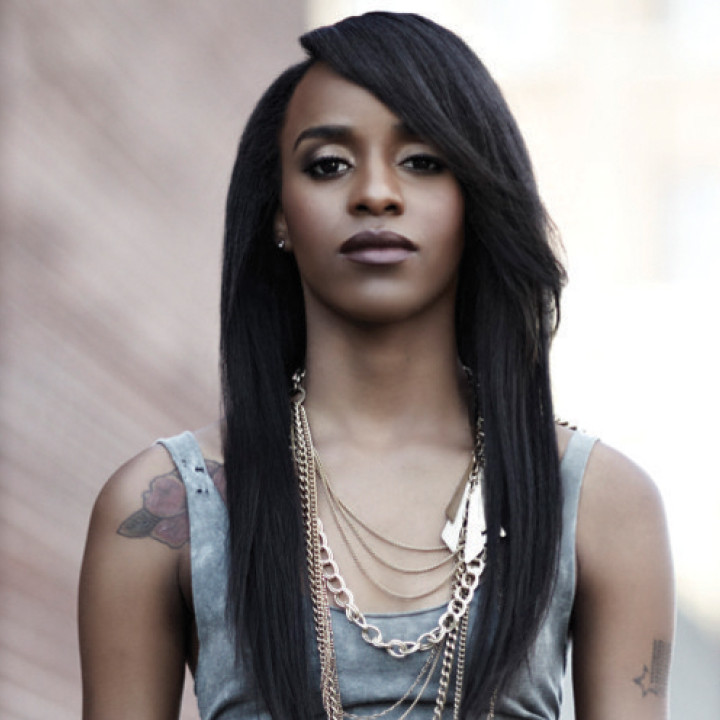
Angel Haze
Rapper. Poet. Warrior. Angel Haze blurs every line society draws — especially around gender. Assigned female at birth, they identify as agender but often move through the world with a distinctly masculine energy: sharp, lyrical, uncompromising. Their music takes on racism, trauma, queerness, and power, while their presence dares anyone to reduce them to one box.
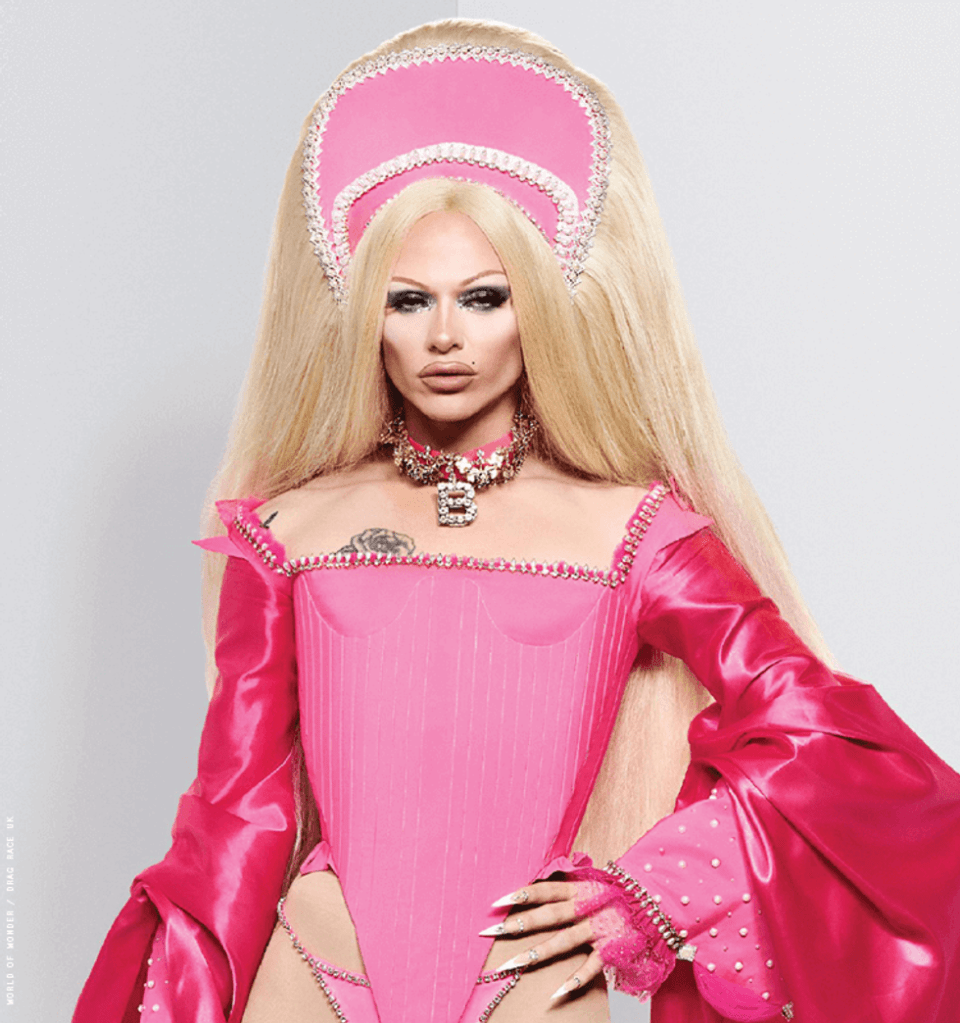
Bimini Bon Boulash
Equal parts punk, poet, and pastel perfection, Bimini rose to fame on RuPaul’s Drag Race UK and quickly became a queer icon. Out of drag, their masculinity reads as sharp, lean, and grounded — yet always infused with that unmistakable queer edge. Bimini proves that masc and femme can coexist not just in one wardrobe, but in one body, one breath, one blazing star.
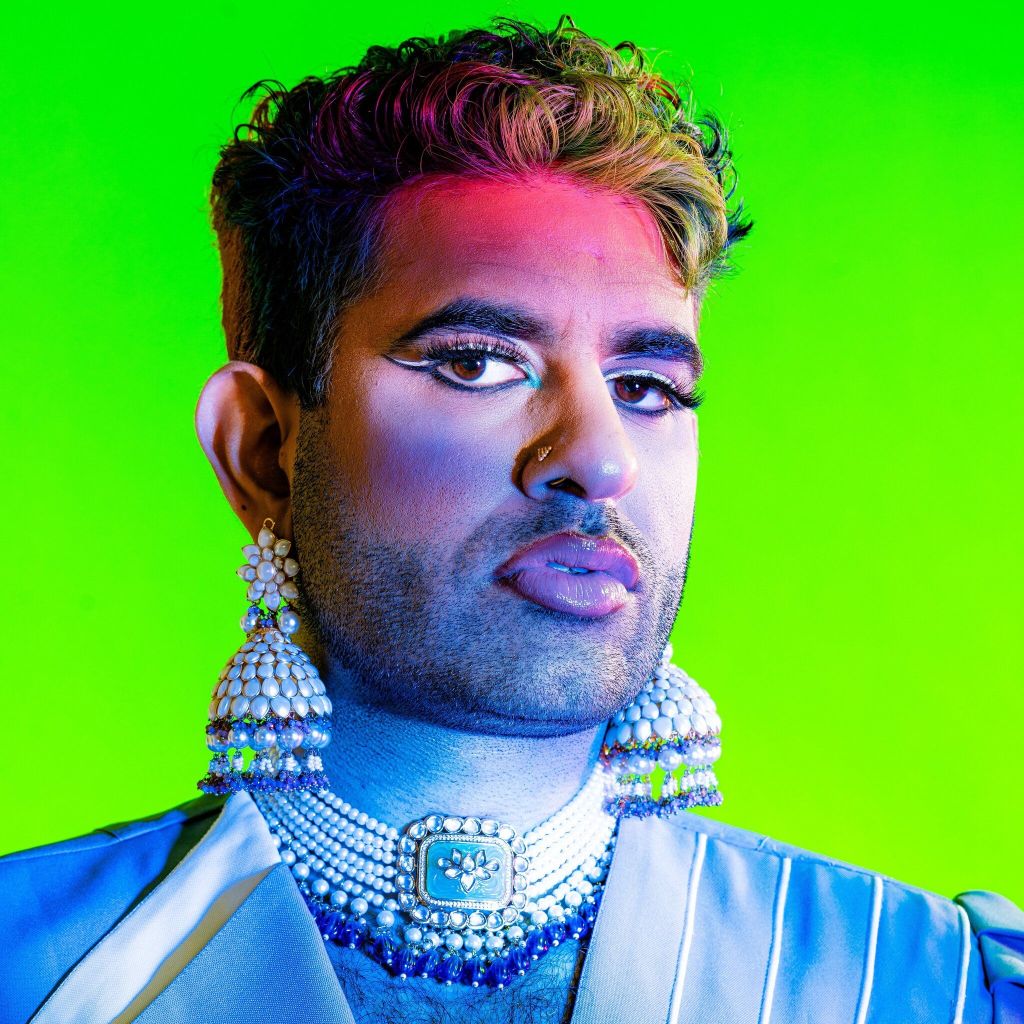
Alok Vaid-Menon
Poet, performer, and gender chaos visionary, Alok turns gender nonconformity into an art form. With a beard, a dress, and a fierce intellect, they’re not here to blend in — they’re here to be seen. Their work dismantles the idea that masculinity must be hard, cold, or stoic. Instead, Alok shows us a masculinity that is soft, emotional, expressive — and no less powerful for it.
Why it matters
Non-binary masculinity isn’t a contradiction – it’s a rebellion against rigid categories. It stretches and reshapes what masculinity can mean, making space for softness, sensuality, flamboyance, and quiet strength outside the confines of “manhood.” That matters, because so many of us grew up choking on the narrow expectations of gender.
When we see non-binary folks claim masculinity on their own terms, we’re reminded that gender is not a prison cell – it’s a toolkit. And some people are out here building cathedrals with it.

 Eunuchorn
Leave a reply to End of Pride 2025 – Eunuchorn Cancel reply