
This is page is being relocated to https://eunuchfriends.miraheze.org/wiki/Surviving_without_hormones.Introduction
Living without testosterone can be a fulfilling life experience, and one which many eunuchs and nullos like to try at least once. Some like it enough that they decided to stay without hormones therapy.
Testosterone is important for the body. It is so important that biological females also produce it. In biological males, the testes produce it in quantity. However, in both sexes, the adrenal glands produce some testosterone. Usually, the ratio between testicular testosterone and adrenal testosterone is 19:1 or 20:1.
Experience of life without testosterone will vary enormously from person to person; this wiki relates to the experience of a very small number of people.b time scales are approximate.
See here for information on the effects of low testosterone.
The post castration period (0-8 weeks)
The testes produce about 95% of the total testosterone available to a biological male. It takes between 24-48 hours for the testosterone that was produced by the testes to leave the system.
This can be the honeymoon period and for many can feel very good. The enforced rest helps mask the effects of low testosterone much less obvious, as testosterone is important for energy production.
During this period, the prostate will slowly shut down, which will slowly reduce libido. This may be masked for some by the initial excitement of castration; is not uncommon for people to masturbate a lot following castration.
By the end of this period, it’s possible that the castrated may start to feel the famous “eunuch calm”.
The menopause
The duration and intensity of this week differ from person to person, however most agree that this is not a pleasant period and can put a lot of eunuchs off attempting to live without hormones.
If attempting to obtain hormone treatment through the NHS experiencing this may be unavoidable.
The menopause has a number of symptoms of varying levels of misery (see here for common symptoms of low testosterone), fortunately there are a few things that reportedly work (eg they worked for the writer):
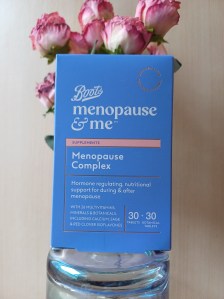
Specific menopause supplements
These vary in price, but are a broad spectrum vitamin supplement. Different packs contain different “magic” ingredients. Key things to look out for are calcium, vitamins D and B, sage extract, green tea extract, and of particular potency are black cohosh, soy isoflavones, or red clover. It is suggested that advice is sought if taking other medications as some if these supplements are strong enough to interfere with other medications.
This has been found to prevent hot flushes (Eunuchorn missed a fortnight and the flushes returned!)
Calcium and vitamin D
Since a loss in bone density is a risk of living without testosterone, it makes sense to include long term intake of calcium and vitamin D. Vitamin D is a fat soluble vitamin, so take this with food. Vitamin D also helps with the absorbtion of calcium.
Calcium is also essential for the nervous system and energy production.

B vitamin complex
B vitamins are essential for energy production and cognition.
Whilst generally it is not possible to overdose on B vitamins, it is possible and the effects can be severe with some types of B vitamin.
Since excess B vitamins are excreted via urine, an excessive dose may turn the urine yellow. If that happens, you might as well stop taking the supplement.

Ashwaganda

Sleep aids

Note on when to take supplements
Read the package for the best times to take supplements, however, fat-soluable vitamins (A, D, E, and K) are usually best taken with food.
Exercise
Many members find that exercise can help mitigate some if the effects of low testosterone and the menopause, however it is likely to prove much more demanding than it did in a pre-castrated state.
Intense aerobic exercise to help maintain energy levels and weight-bearing exercise to maintain bone density and muscle mass are indicated.
Post menopause
Risks
Overdose risks
Conflicts with other medication (eg Feroglobin)
 Eunuchorn