
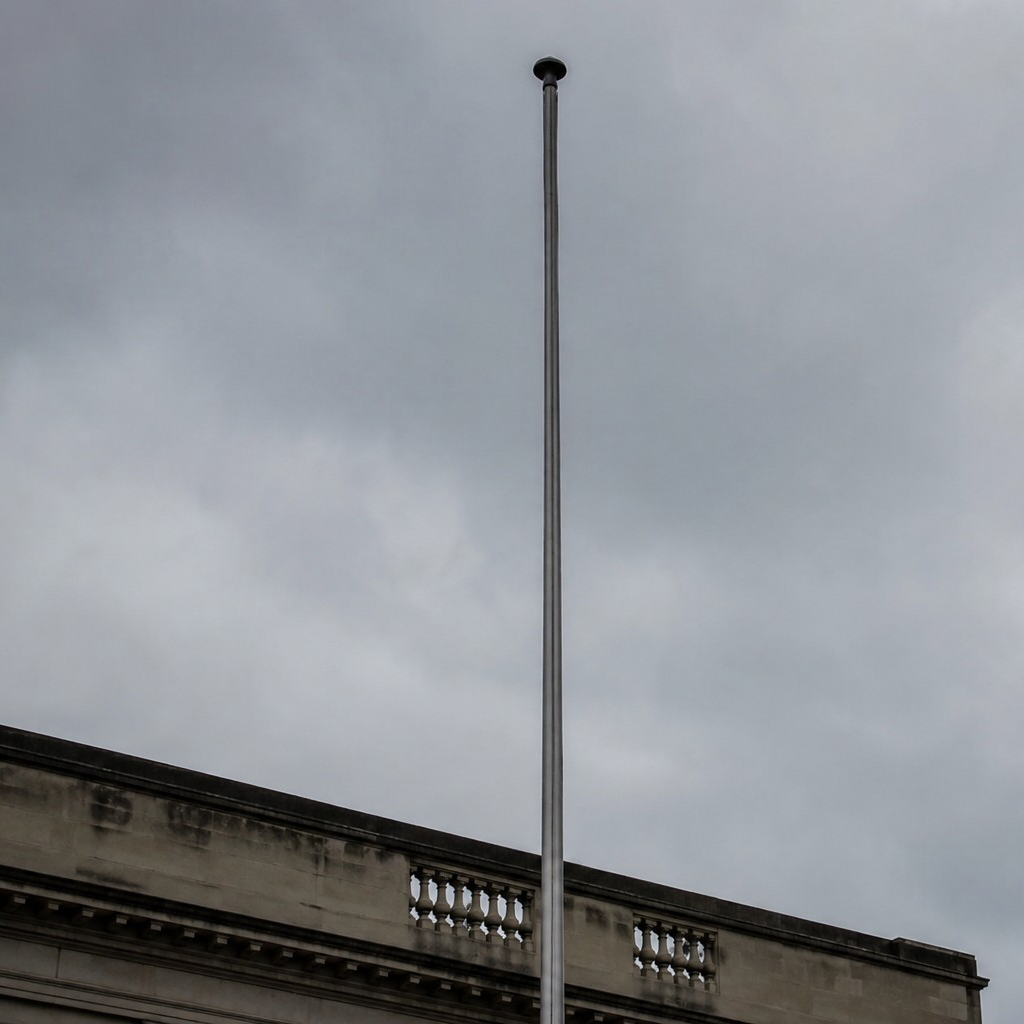
I’m watching a few things happen that individually don’t mean much, but collectively form part of a coherent pattern.
Things like:
- Reform councils removing the Pride flag from their buildings.
- Durham council de-funding Pride.
- A rise in anti-LGBTQ+ rhetoric and abuse – especially in transphobia – from the right.
These aren’t isolated events, they are connected.
Firstly, I’m going to say that I’ve always had mixed feelings about the political establishment funding Pride – an event with its roots in protest for visibility and rights, which the establishment of the time was vehemently opposed. In qualifying for public funding and improving the acceptability of the LGBTQ+ community, a degree of sanitisation has taken place that has quietly pushed some of the spicier elements of Pride back into the closet (or dungeon – eg kink, the participants of kink in Pride were originally both hetero and homosexual).
Pride is political because being queer is still political.
Actually, being human is political!
However, Pride as a mainstream event has raised visibility, acceptance, and inclusion into much broader areas, which include better access to events for people with mental or physical disability.
One council removing funding, which is a token amount in its total budget with a big community impact, might not seem significant on the surface, but this is a Reform council and there is the beginning of a pattern …
A number of Reform councils have also mandated the removal of all non-national and county flags from public buildings as part of the war on “woke” – this has had a disproportionate effect on the LGBTQ+ community who have grown used to their local authorities showing at least visible support for the community.
It might not seem much to cis or straight people, but these are big signals to members of the queer community that our place in society is conditional, contested, or unwelcome.
Some of us were born when homosexuality was illegal. Some remember when it was classified as a mental illness. Many lived through a time when schools, workplaces and universities offered no support, when our relationships had no legal recognition, and when partners could be excluded from hospital rooms and funerals. Many also remember the AIDS crisis, when governments were slow to act while a generation of queer people died.
The rights of the LGBTQ+ community have been hard won.
Pain and injustice are still fresh in many memories.
I am in my fifties – I personally experienced much of that pain and injustice.
We spent decades being told we were abnormal, dangerous, immoral, sick, criminal, or invisible. We finally gained a degree of acceptance. When symbols of that acceptance are deliberately removed, we cannot simply shrug and assume nothing else will follow.
History has taught many queer people that hostility rarely begins with criminalisation. It begins with exclusion, erasure, and the message that we no longer belong.
Because of my personal experience, and my interest and understanding of history, I cannot help but see support for the far right as incompatible with being an ally.
Maybe taking down our flags isn’t such a bad thing because it lets us see where our enemies are.

Leave a Reply