
Masculinity isn’t the sole possession of people who identify as men, as I hope previous posts demonstrate. Even some people assigned male at birth (AMAB) who reject traditional masculinity still retain or reclaim certain “masculine” traits. Some of the identities covered in this series are more comfortable inhabiting the “masculine” label than others … so what about people who identify as “women”? Can they be “masculine”?
I didn’t cis-het people simply because this series focuses on queerness in its many forms – though I now see how rich and complicated cis-het masculinity can be too (maybe another time!).
Keeping with the theme – and giving it a gentle stretch – I wanted to shine a light on a group I’ve not spent enough time thinking about: lesbians.
For centuries, women who displayed masculine traits were monstrous. Women who “chose in the manner of a man” rather than waiting to be asked were shocking. Women who ruled in their own right are very rare in history (I’m planning a series of posts about The Queens of the English and the compromises and challenges they faced to make in order to occupy their position). Historically, lesbians have been erased from history: they weren’t even worth legislating against.
There’s a moment in the 1963 film Cleopatra where an advisor to Caesar says, with a touch of fear and awe:
“She chooses in the manner of a man, rather than wait to be chosen in womanly fashion.”
The line drips with patriarchal panic – how dare a woman take what she wants, rather than wait to be offered it? But that’s the heart of gender nonconformity: rejecting the roles assigned to us. Whether Cleopatra meant to or not, her refusal to be passive marks her as an icon for anyone who chooses self-definition over obedience.
In my own experience (and I have been guilty of this myself), lesbians have been ridiculed as “bull-dykes” or other derogatory names (hey! if a lesbian wants to own those names, I’m cool with that).
So this is a kind and loving look at the gay man’s closest kin: his gay sisters – women who’ve bent gender in all the right ways, and often paid the price for it.

k.d. lang
With her slick pompadour and silken baritone, k.d. lang was never here to fit a mould. A Grammy-winning crooner of country and pop, she’s also a lifelong gender outlaw. Her 1993 Vanity Fair cover — getting shaved by Cindy Crawford in a pinstripe suit — was both fashion and gender heresy. lang’s masculinity is suave, tender, and utterly unapologetic.
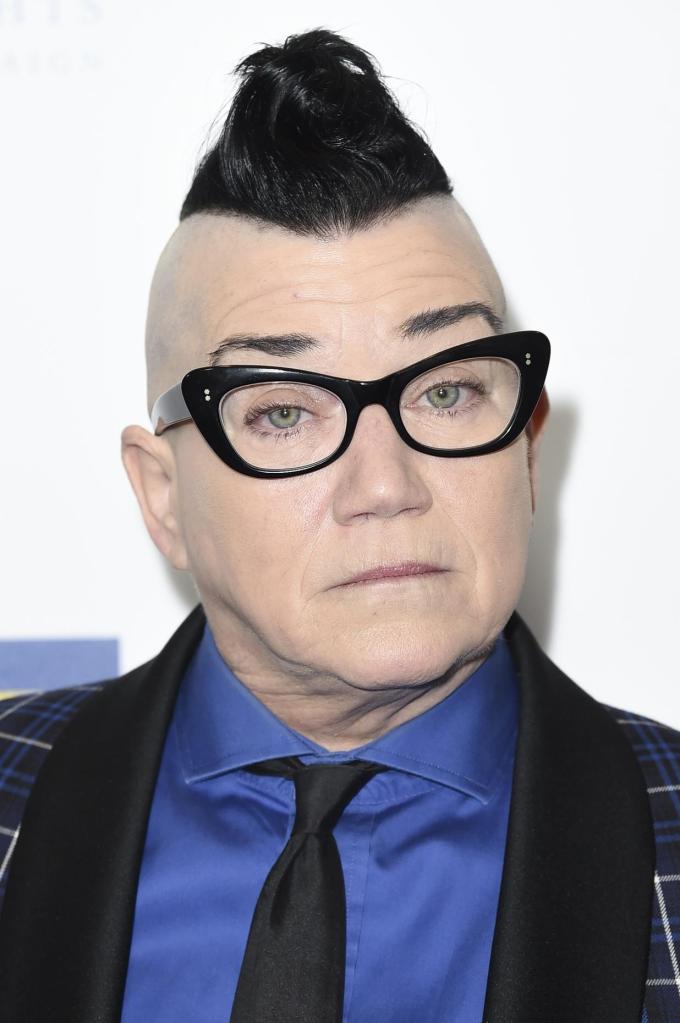
Lea DeLaria
Lea DeLaria kicked the door down for queer comics, becoming the first openly gay comic to appear on American television back in the 90s. She’s best known now for her role as Big Boo in Orange Is the New Black — a character as bold, brash, and masculine as they come. But Lea’s masculinity is more than costume — it’s a defiant joy in her own skin, with a wink and a growl.
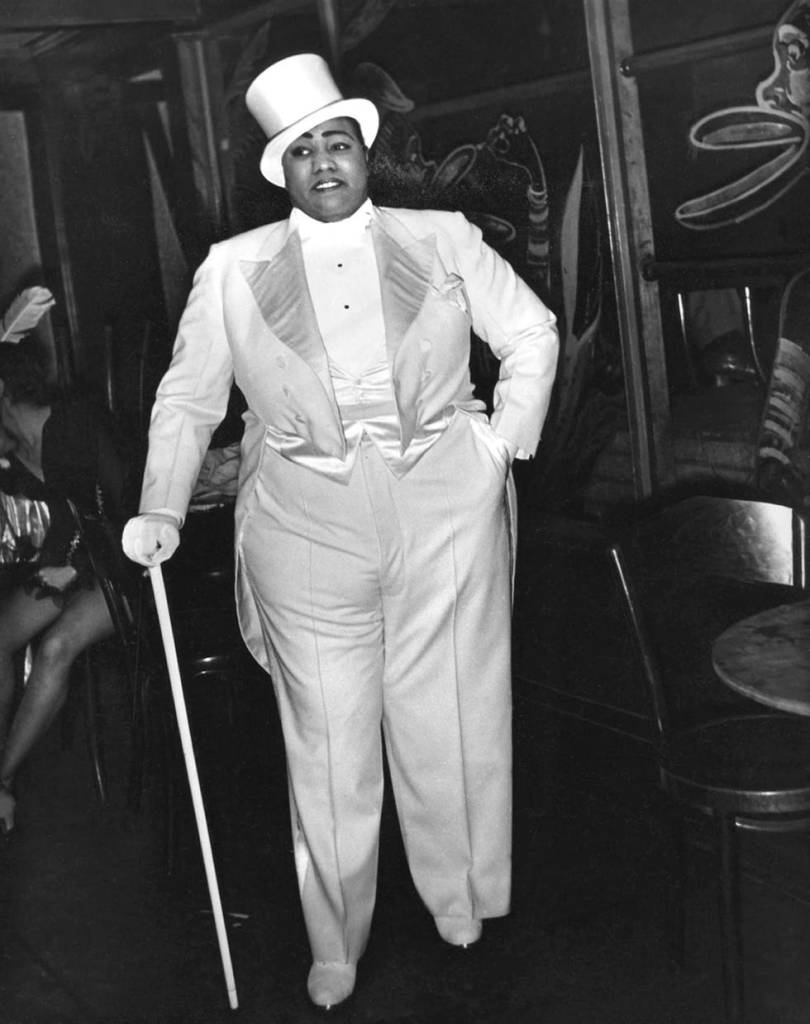
Gladys Bentley
Back in the 1920s, while most women were bound by corsets and propriety, Gladys Bentley was wearing tuxedos, singing raunchy blues, and flirting with women from the piano bench at Harlem speakeasies. A Black, gender-nonconforming lesbian decades before the world had language for it, Bentley’s swagger was revolutionary. Her masculinity was dazzling — defiant in the face of racism, sexism, and homophobia alike.
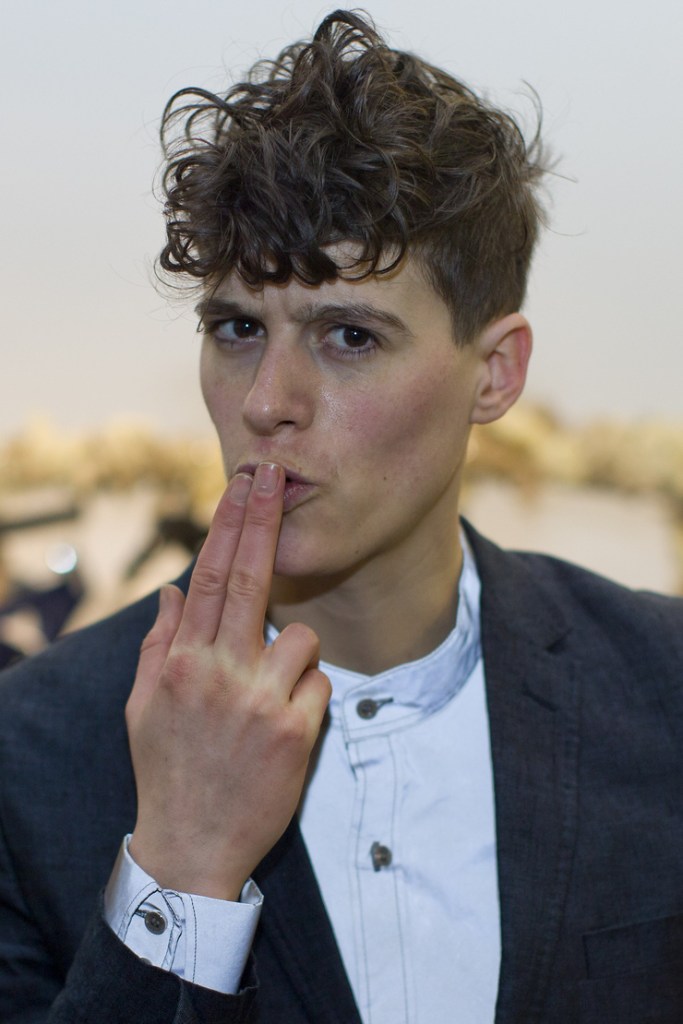
Rain Dove
Rain Dove calls themself gender non-conforming, but often uses “masculine lesbian” as shorthand for the full mess of being who they are. A model who’s walked for both men’s and women’s fashion, they challenge the boundaries of beauty, masculinity, and gender all at once. Their butch energy is deliberate, political, and sharp — like a three-piece suit that fits just right.
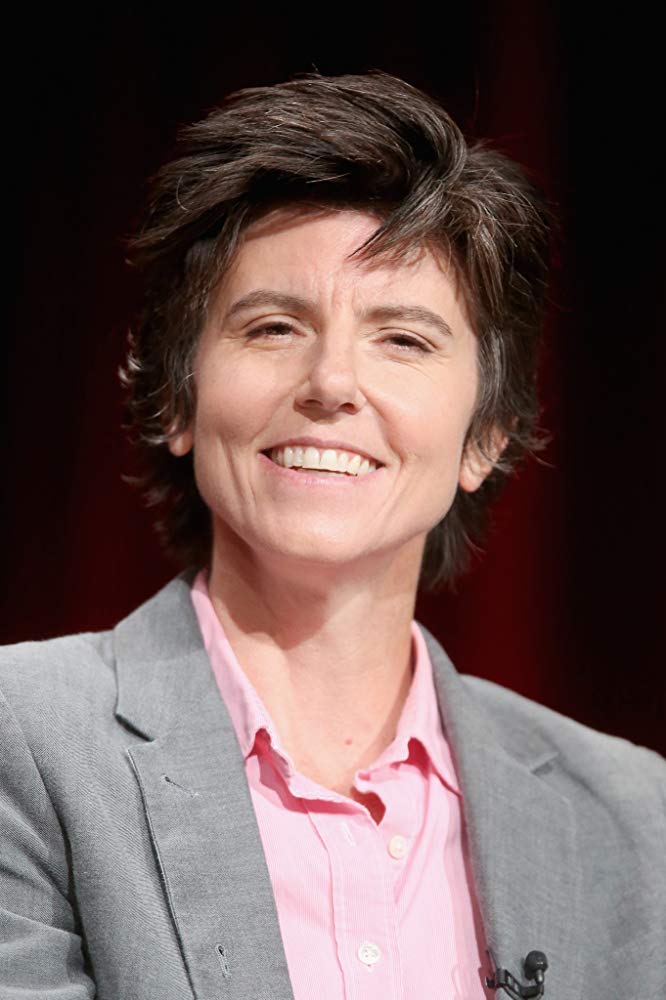
Tig Notaro
Tig Notaro’s comedy is dry as dust and just as elemental. Quiet, reserved, but full of mischief, she came out publicly after already making a name in stand-up. Her masculinity isn’t about volume — it’s about stillness, stubbornness, and self-possession. She’s a masculine
Why it matters
Masculinity doesn’t belong to men – and never has. Yet the idea that it should is baked into centuries of culture, power, and prejudice. Masculine-presenting women – especially lesbians – have long been punished for crossing invisible lines: called unnatural, deviant, ugly, threatening. They’re mocked for being “too much like men” and yet erased from history as though they were never there at all.
In celebrating masculine lesbians, we name what the patriarchy has tried to make unnameable. We affirm that masculinity is not defined by anatomy or social role, but by energy, presence, action – and sometimes, resistance. These women didn’t ask for permission. They took up space. They made art. They fought. They loved. They ruled. And in doing so, they expanded what was possible for all of us.
Masculine lesbians matter because they challenge the narrow boxes that confine us all. They make room for a richer, queerer, more rebellious kind of masculinity – one that doesn’t require domination to exist. Their stories belong in the pantheon not as footnotes, but as foundational myths. We owe them more than inclusion. We owe them thanks.


 Eunuchorn
Leave a comment