
When I first came out, the denial and erasure of bi people was rampant – especially bi men, and especially within the gay community. They were often dismissed as “gay men in denial” or “just greedy.” It wasn’t nice. That was nearly thirty years ago.
Bisexuality, of course, assumes a gender-binary, which isn’t the experience of myself or many of those who read this blog. Perhaps I need to explore some of the terms that arise where multiple genders are considered.

Bisexual
Traditionally: attraction to both men and women (binary genders).
The word bisexuality has roots in the gender binary, but that’s not how many of people understand or use it today. Neither myself nor many of our readers experience gender in strictly binary terms, so let’s explore some of the language that helps us describe attraction across a more fluid spectrum.
Some bisexual people are attracted to, say, men and non-binary folks – but not women. That still counts!

Pansexual
This is your “gender is irrelevant to me” card. Pansexual folks experience attraction to people of all genders, including non-binary, genderfluid, agender, etc. It’s sometimes described as gender-blind, though not everyone likes that term (some people do notice gender – they’re just not limited by it).
It’s not more “evolved” than bisexuality, just a different flavour of open-hearted chaos.

Polysexual
Now we’re into gourmet queer. Polysexuality is attraction to multiple, but not all, genders. It’s like saying, “I’m not into everyone, but my tastes are eclectic.”
For example, someone might be attracted to women and non-binary people, but not men.
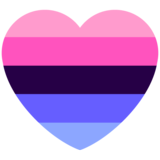
Omnisexual
Often overlaps with pansexual, but sometimes used to mean “attracted to all genders, and gender is a part of the attraction.” Kind of the opposite of gender-blind.
So while pan might say “I’m into you regardless,” omni might say “I’m into you because you’re a demiboy.”
Bisexual and polysexual icons
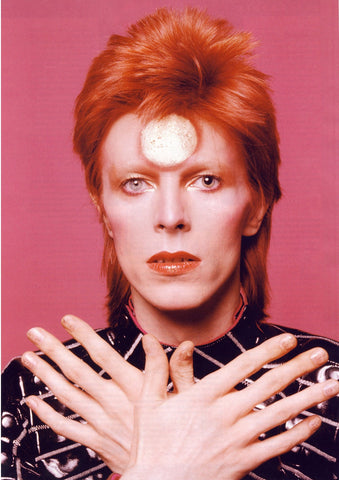
David Bowie
With alien elegance and a shapeshifting sense of self, David Bowie queered masculinity for a generation. Whether strutting as Ziggy Stardust or seducing us in a sharply cut suit, Bowie refused to be boxed in – sexually, sartorially, or socially. Though his labels shifted over time, he spoke openly about being attracted to multiple genders. For many, Bowie was the first man they saw who made bisexuality both glamorous and deeply, defiantly human.
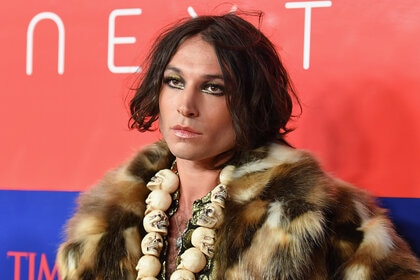
Ezra Miller
A lightning rod of controversy and chaotic beauty, Ezra Miller is gender-nonconforming, sexually fluid, and unafraid to disrupt every box we try to shove them into. They’ve described themselves as queer, polyamorous, and attracted across the gender spectrum. Though their public life has taken wild turns, their very presence in blockbuster cinema – as a femme, bi, nonbinary Flash – has cracked open long-shut doors for others like them. Ezra is proof that bisexual masculinity can be unruly, theatrical, and magnetic.
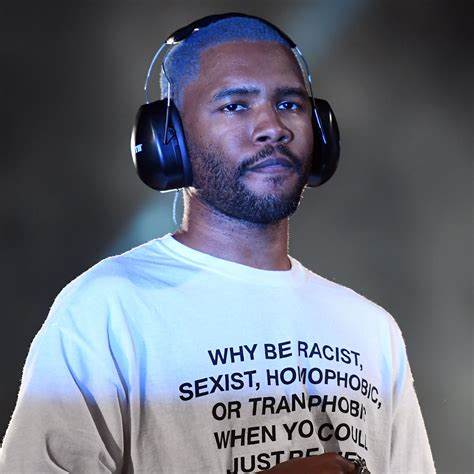
Frank Ocean
When Frank Ocean published a Tumblr post revealing his first love was a man, he didn’t just come out – he rewrote the rules of hip-hop and R&B. Soft-spoken and introspective, Ocean’s masculinity is quiet, dreamy, and devastatingly honest. He has never labelled himself, but his work speaks volumes. In a world of hypermasc posturing, Ocean croons love songs to men, women, and the spaces in between – and in doing so, gives bisexual black masculinity the beauty and depth it’s so often denied.
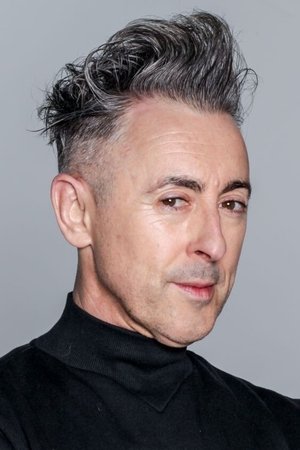
Alan Cumming
Bisexual, Scottish, and spectacularly camp, Alan Cumming has spent decades challenging stereotypes from within – Broadway, Hollywood, and Buckingham Palace alike. He came out as bi long before it was fashionable, and has never stopped defending the validity of bisexual identity. His masculinity is dapper, sharp, and full of joyful mischief. Whether in cabaret or drama, Cumming dances across gender and sexual expectations with a wink, a flourish, and a raised eyebrow that says, “Don’t you dare erase me.”
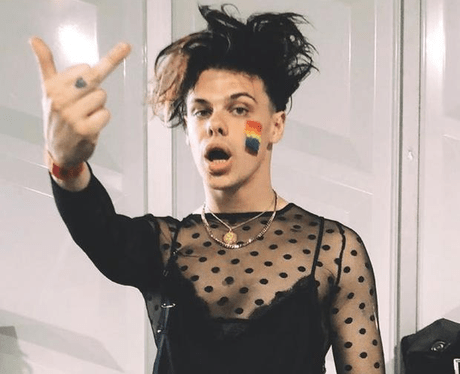
Yungblud (Dominic Harrison)
A Gen Z rockstar with eyeliner, combat boots, and a northern accent, Yungblud lives loudly in his queerness. He’s spoken of his pansexuality, fluid gender, and refusal to conform – all while fronting sold-out shows and baring his soul in raw, ragged songs. His masculinity is spiky, sensitive, and political. In a world where young people are demanding more from their idols, Yungblud shows that bisexual men can be tender punks and glitter-covered rebels.
Why it matters
Bisexual and poly/omnisexual men often fall into a cultural blind spot – either presumed to be secretly gay, “actually straight,” or simply going through a phase. Masculinity, already loaded with expectations, becomes even more precarious when a man refuses to stay neatly inside the boxes of binary desire.
These men are often accused of confusion, greed, or untrustworthiness – not just in romance, but in their very character. They disrupt the narrative that masculinity should be stable, monogamous, and straight. The fact that they can be attracted to more than one gender is treated like a crack in the armour of “real manhood” – a fatal flaw, rather than a strength of openness and adaptability.
This erasure damages not only bisexual and poly men, but everyone who benefits from seeing masculinity expressed with flexibility, nuance, and courage. Visibility matters because it affirms their identity, and because it pushes back against the tired scripts that try to pit sexual fluidity against strength or integrity.
Just like the gods in a pantheon, bisexual and poly men offer a wider range of stories – stories where love is plural, attraction doesn’t obey borders, and masculinity learns to stretch, bend, and grow.


 Eunuchorn
Leave a comment