

A quick update on hormones
Wednesday I have a baseline blood test prior to starting testosterone therapy. Although, if the GP doesn’t get the email from the endocrinologist, I may have a little longer to wait.
Monday was the last of the pharmacist supplied hormone tablets. I didn’t buy any more because I believe that I will have some hormones soon, however …
It seems that they were protecting me from some of the nasty side effects of the menopause: it hasn’t finished with me yet!
Only three days without taking pills (I’m writing this on Friday 9th August 2024 and I take my pills of an evening), I am now getting hot flushes again.
Silchester
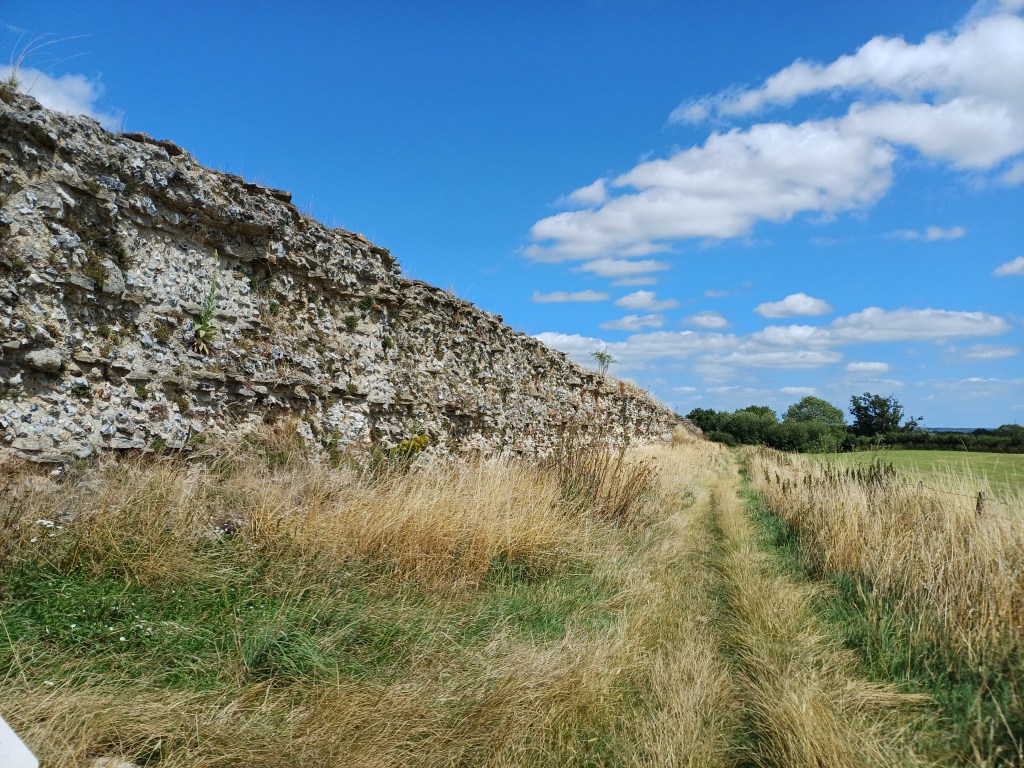
The city walls
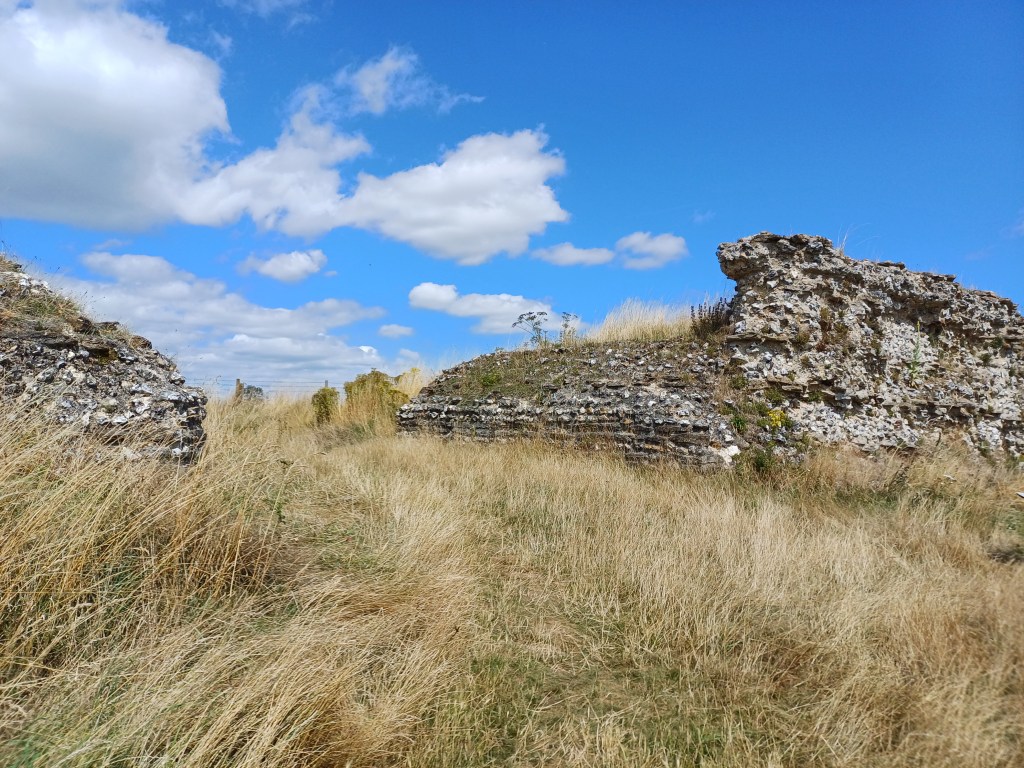
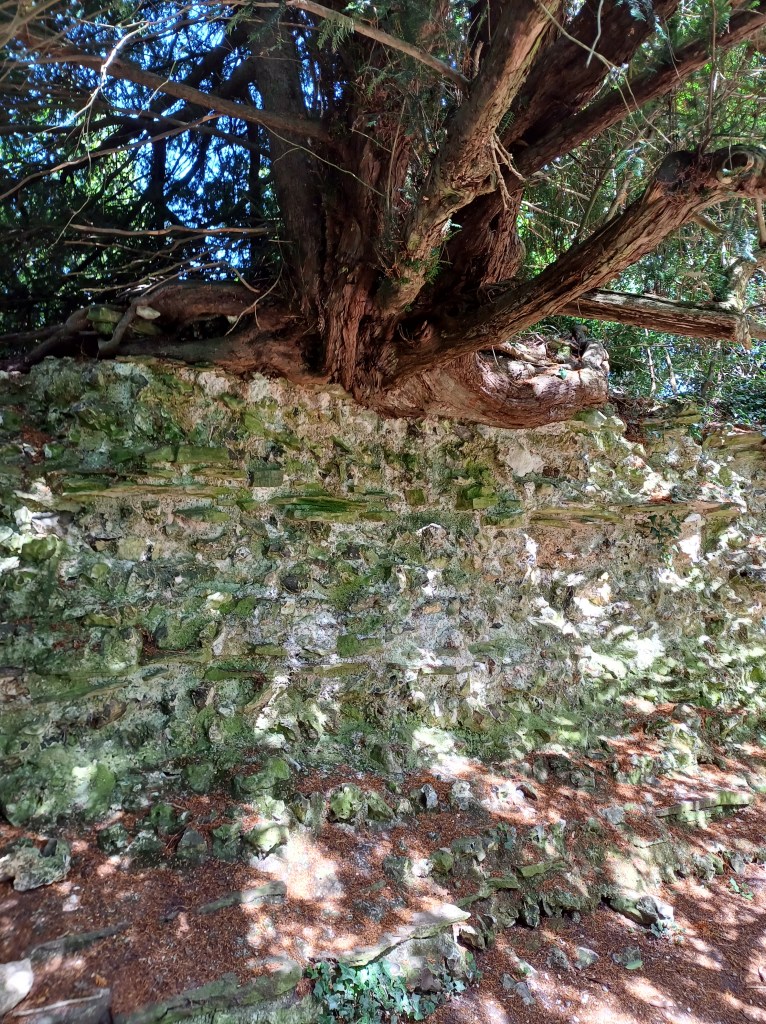
The Roman remains here are all about the city walls. The interior of this city is completely gone. Probably used as a quarry for buildings in the surrounding area for miles around.
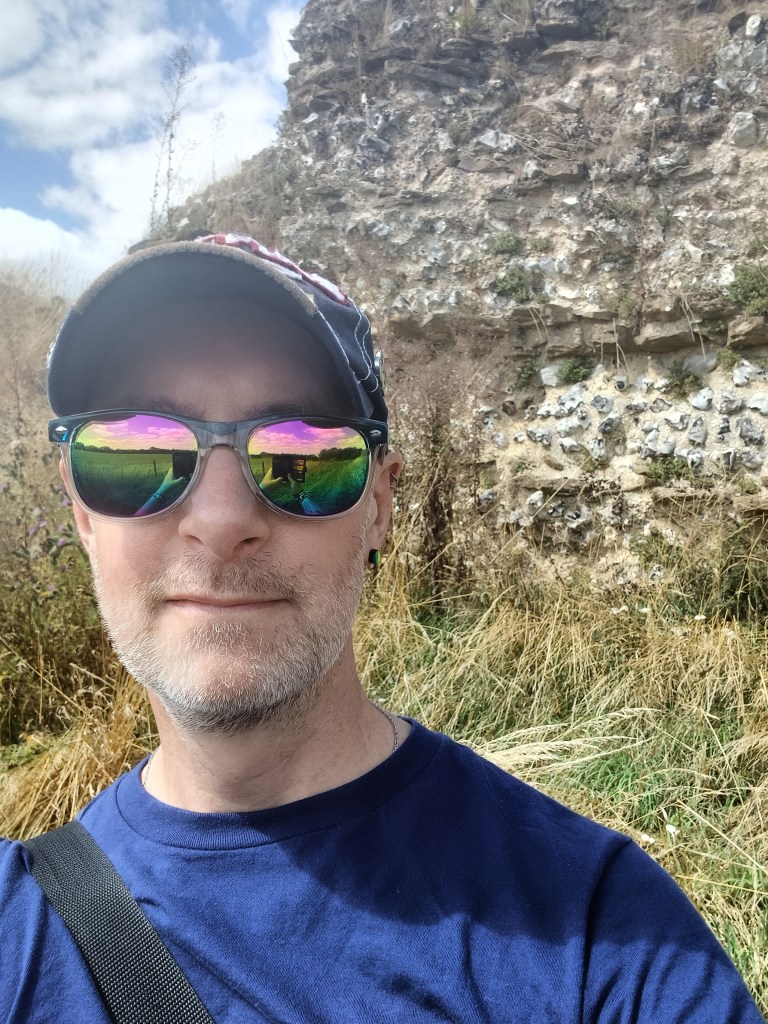
The walls are about 2.4km in length, enclosing an area of 40 hectares. The city encloses an earlier iron age town that was only slightly smaller. The Roman city actually makes use of some of the iron age defences. When you’re at the top of the walls, even though the walls are probably half the height they used to be, you get fabulous views in every direction, demonstrating the spectacular vantage of the city.

Civilisation
The Romans carried civilization with them wherever they went. Like the British after then, they ignored the fact that the residents of whichever territory they occupied had been living an orderly life in their own towns. The Romans often removed or replaced the existing settlements and created their own cities.
Our English word “city” derives from the Latin civis, which also lends itself to civilization – or the building of cities.
In Roman times the city was called Calleva Atrebatum; the Atrebates was the name of the tribe that founded the original Celtic town on this side – only a hundred years or so before the Romans conquered.
Why was the city abandoned?
The answer is nobody knows! It might have been because it’s so far from a fresh water source, or maybe because it was a rival base to Winchester, which was the capital of the Saxon kingdom.
All we know for certain is that it was deliberately abandoned: it’s wells were filled in sometime in the two hundred year window of the fifth or sixth century.
The church
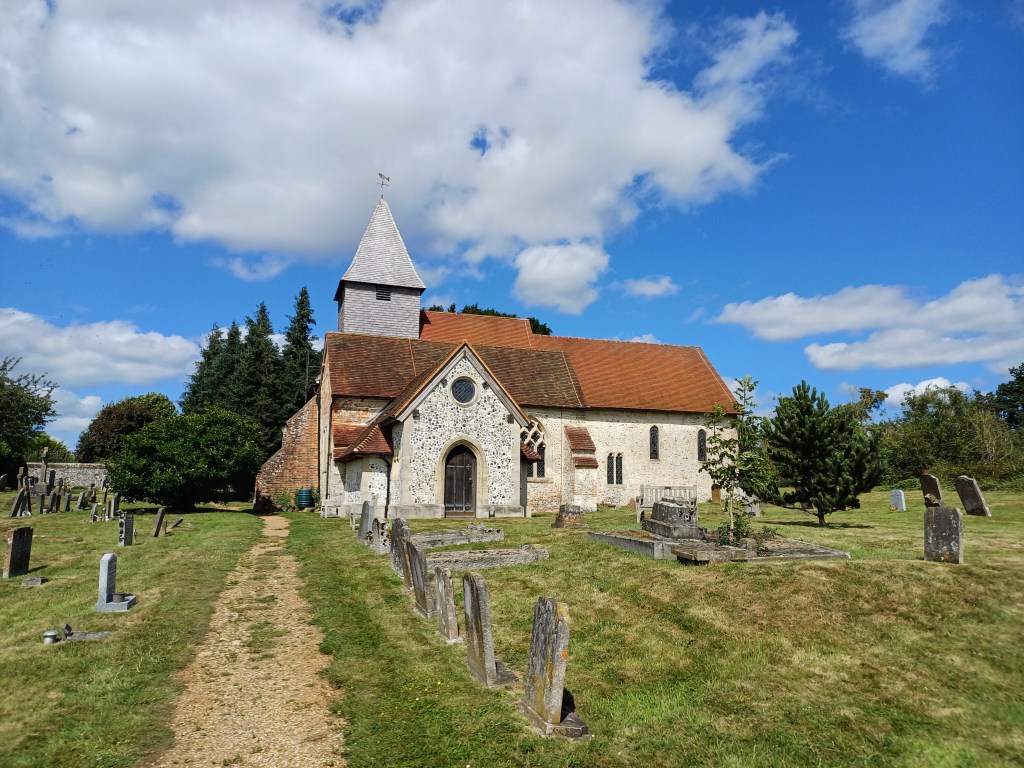
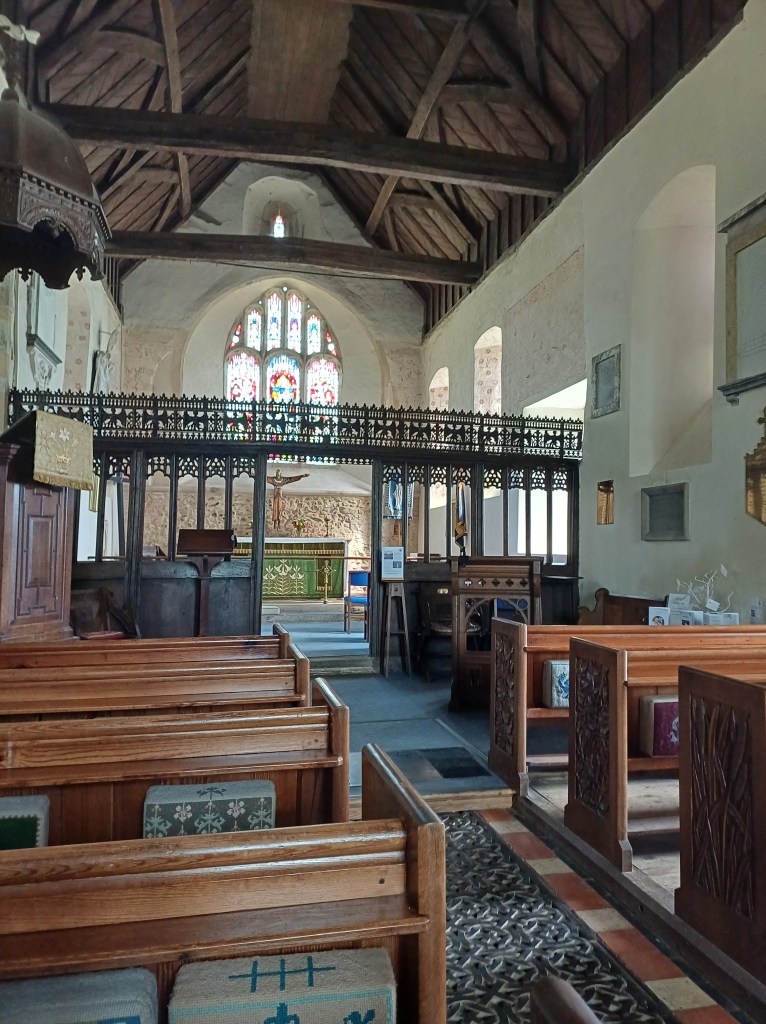
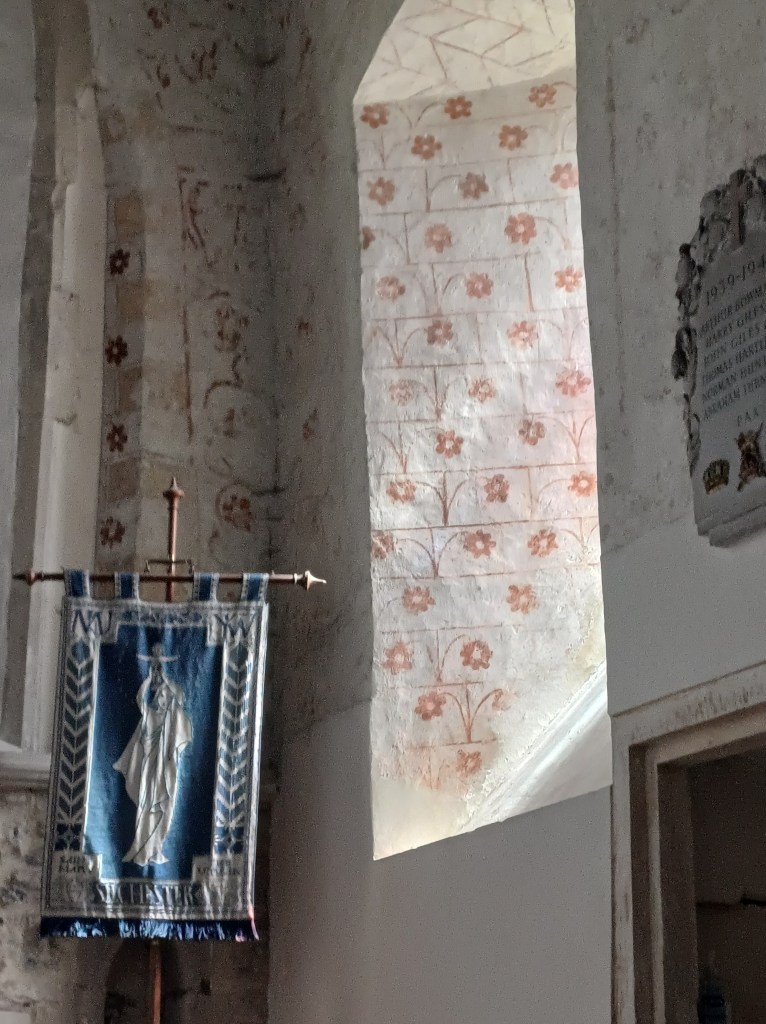
The church is exceptionally beautifully, retaining many of its medieval features, including visible wall decorations, which were destroyed or painted over during the reformation in most other churches. Mediaeval churches are brightly painted, which the Reformation abhorred and churches were white washed to hide what was regarded as a Catholic presentation.
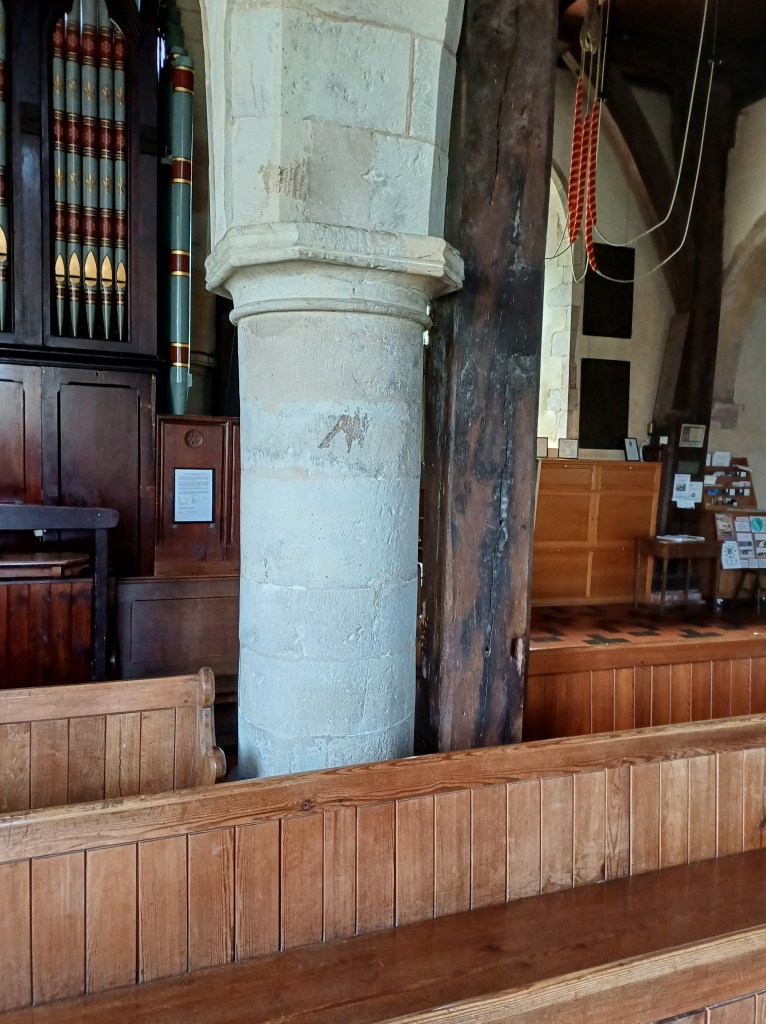
The fat norman columns tell of the churches extreme age, placing parts of it as far back as the twelfth century.
The amphitheatre
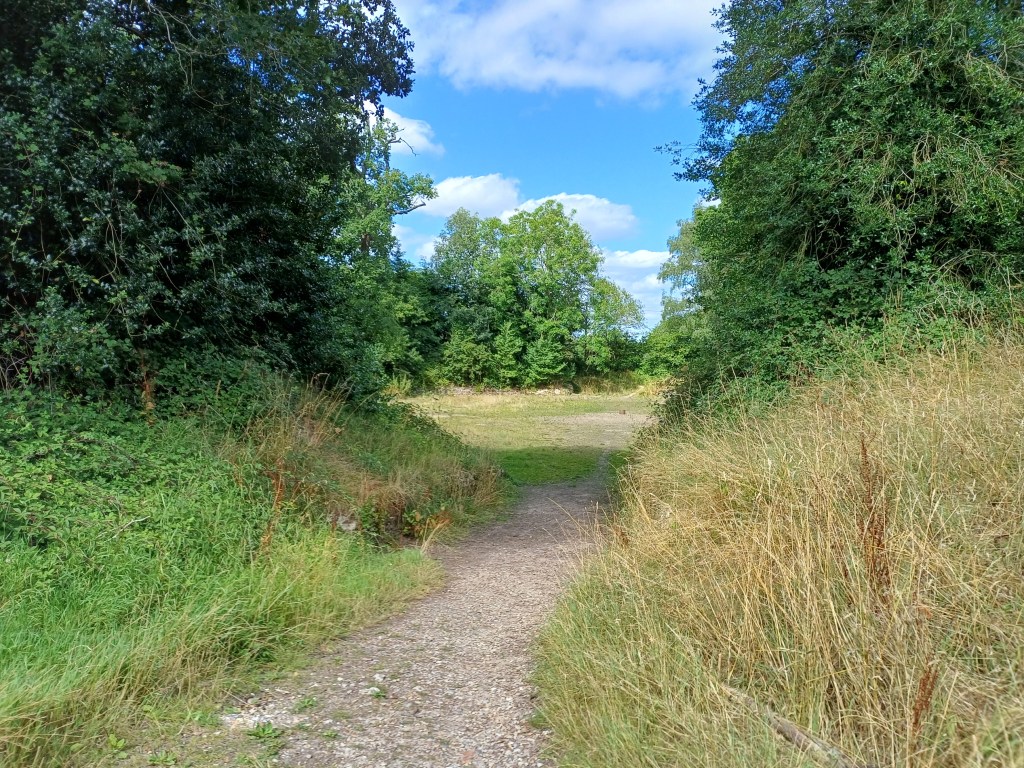
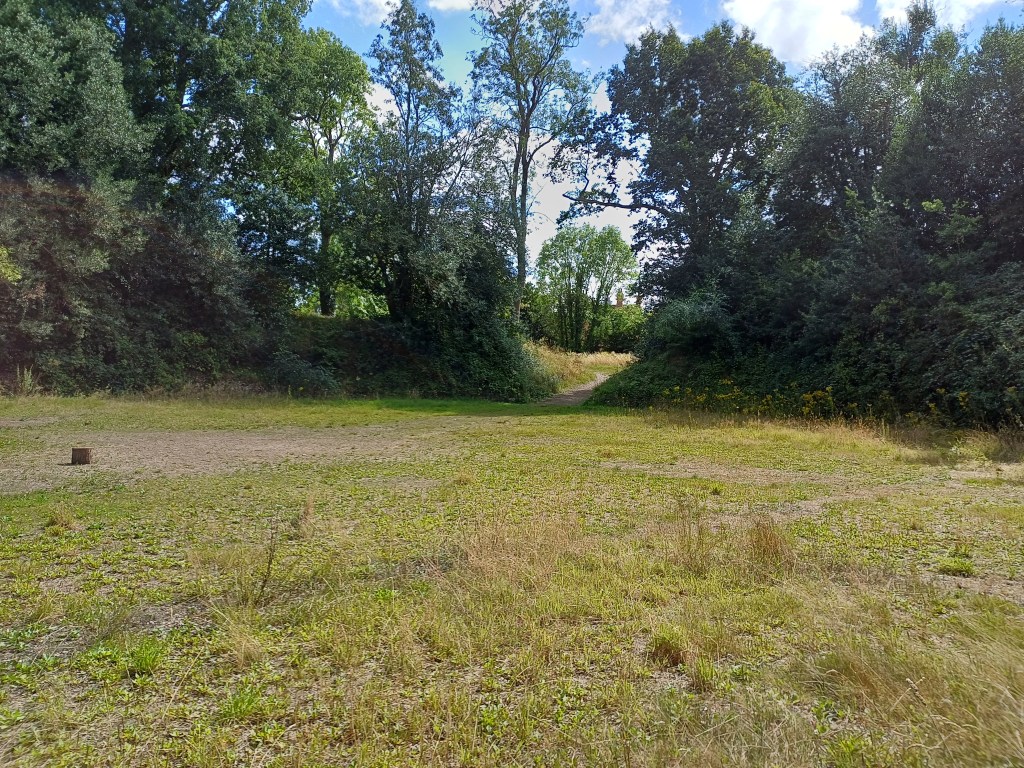
This peaceful hollow in the ground isn’t that easy to find from the “city”. A resident directed me and told me that it was once the largest amphitheater in the Roman province of Britain.
Thinking of the blood shed in this space and reflecting on its current tranquility, creates a certain spirituality to the place.
Please people, note that it is ampi~ meaning both or two ~theatre – so it’s two sets of theatres joined together to create the classic oval. Some people call any Roman or Greek theatre an amphitheatre, which is incorrect.

Flora
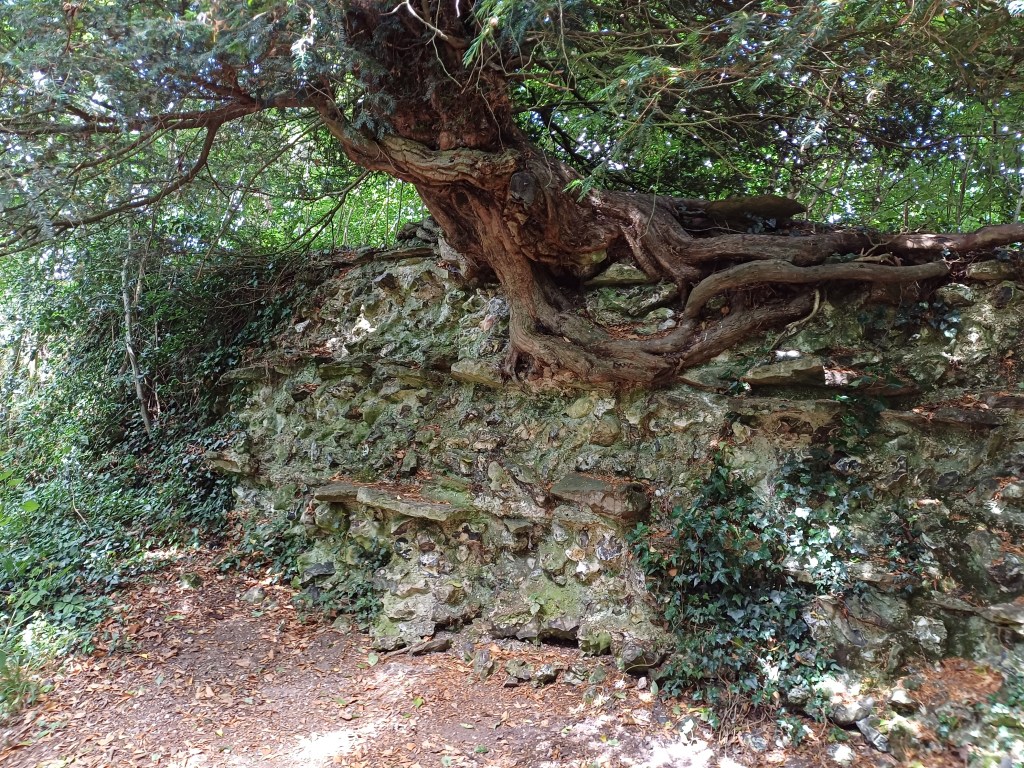
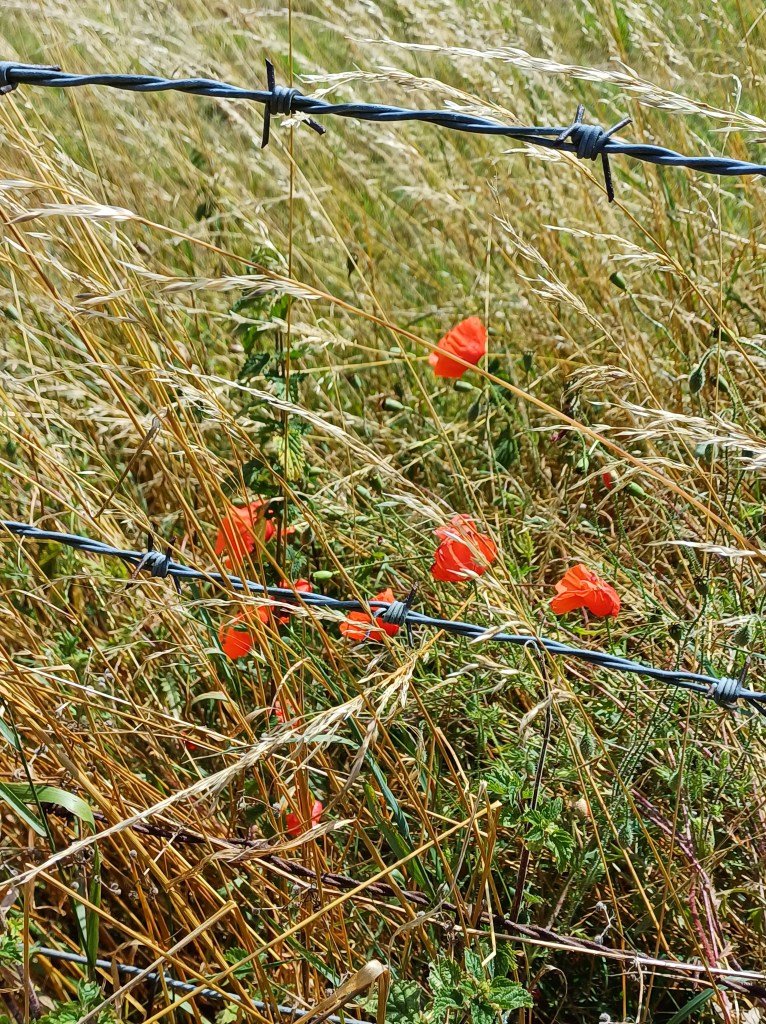
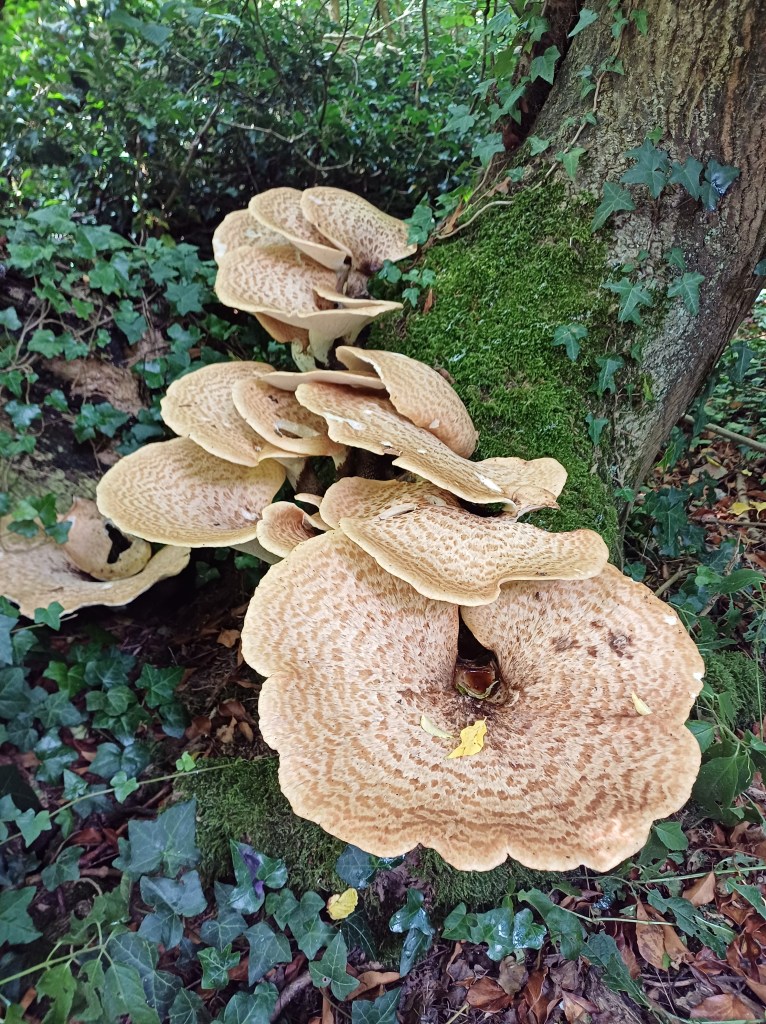
Walking around the city there are so many beautiful trees and woodlands, grasslands, and banks of flowers. Look at the walls and see the tendrils of ivy, or the trees growing over the ramparts, like banyan trees over the ancient Indian temple in the Jungle Book.


It’s free
Go on a sunny day, but wear decent shoes. Take a picnic. Remember to take a drink with you: there are no facilities anywhere during the week. The church serves refreshments on weekends (so the sign says).
 Eunuchorn
Leave a comment